I once ruined an entire roast chicken because I couldn’t figure out why the skin kept coming out pale and rubbery. I’d done everything right, or so I thought. Seasoned it the night before, brought it to room temp, blasted it at 425°F. Still soft. Still sad. It took me three more chickens to figure out the problem, and honestly, these essential cooking tips would have saved me a lot of wasted weekends.
Essential Cooking Tips Start With Understanding Your Heat
Most home cooks treat the stovetop dial like a light switch: high for fast, low for slow. That mental model causes more ruined food than bad recipes ever will.
Here’s what’s actually happening: heat transfers through three mechanisms, conduction (pan to food), convection (hot air or liquid moving around food), and radiation (direct heat, like a broiler). The “medium-high” setting on your stove does all three at once in ways that change depending on your pan material. A thin stainless pan heats fast but has terrible heat retention; a cast iron skillet takes forever to come up to temp but holds it like a battery once it does.
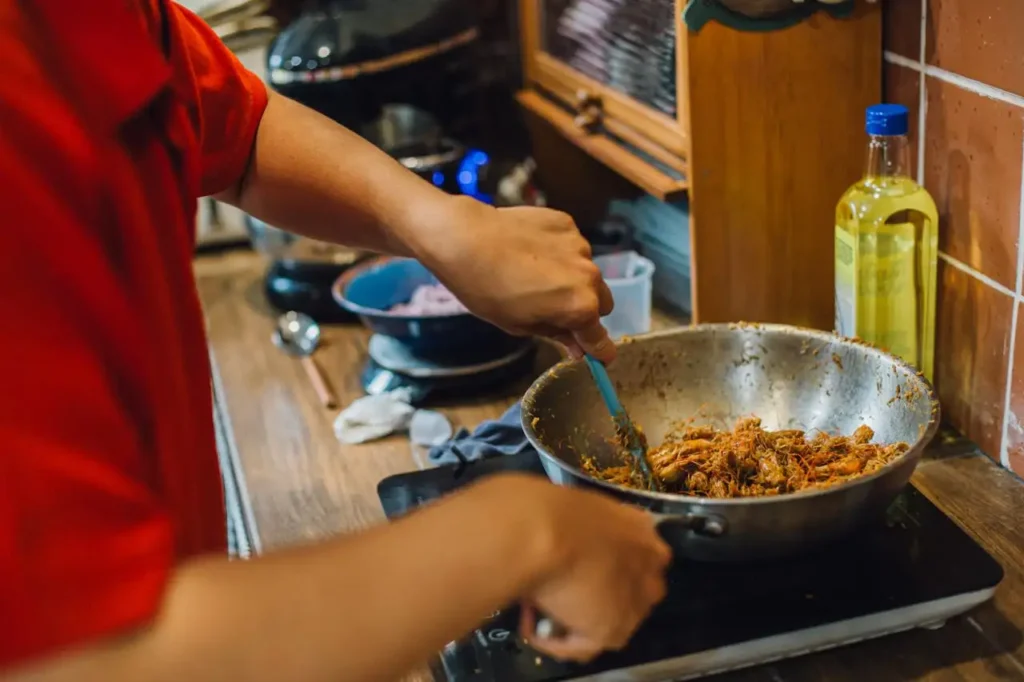
The fix is simple but not obvious. Don’t cook by dial setting. Cook by what you see and hear. A properly preheated pan should cause a drop of water to bead and dance (the Leidenfrost effect). Oil should shimmer, not smoke. Garlic added too early sizzles weakly and turns bitter; added at the right moment, it smells toasty and sweet within 30 seconds.
What I Do Now: I preheat pans for about two minutes before adding oil, and I add oil about 30 seconds before the food. This small change stopped my proteins from sticking and gave me the kind of sear I used to only see in cooking videos.
Why Patting Food Dry Is One of the Most Underrated Essential Cooking Tips
Back to that chicken. The real culprit was moisture.
When you add wet food to a hot pan or oven, the surface water has to evaporate before any browning can happen. Evaporation takes a huge amount of energy, effectively capping the surface temperature at around 212°F (100°C) until all that moisture is gone. Maillard browning, the reaction that creates flavor and that gorgeous golden crust, doesn’t start until around 280°F (140°C). So if your food is wet, you’re steaming it before you’re browning it.
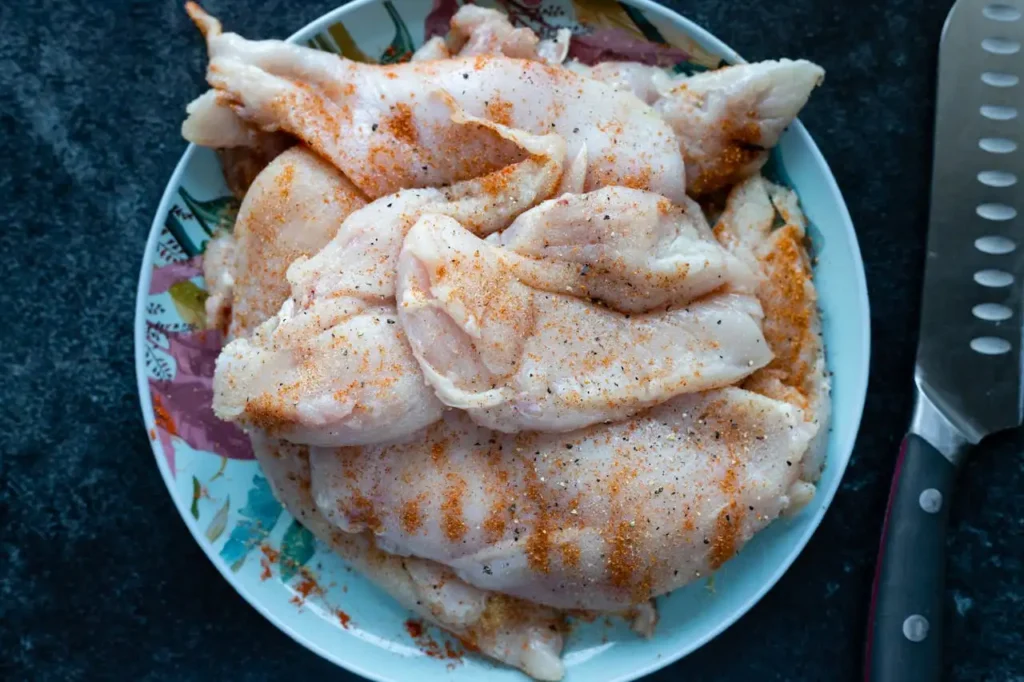
Patting proteins dry, chicken, steak, fish, tofu, with paper towels takes about 15 seconds and is genuinely one of the highest-leverage moves in cooking. For chicken skin specifically, leaving it uncovered in the fridge overnight lets even more moisture evaporate from the surface. That’s the trick I eventually landed on after chicken attempt number four.
Quick Fix: Before searing any protein, press paper towels firmly against all surfaces and hold for a few seconds. Don’t just dab. You want the towels to pull moisture, not just touch it.
How to Actually Season Food Properly (Most People Do This Wrong)
Salt does more than add saltiness. It draws moisture to the surface through osmosis, then that moisture re-absorbs back into the food carrying dissolved salt with it. This process, when given enough time, seasons food from the inside out rather than just coating the exterior.
The timing matters enormously:
- Salt at least 45 minutes before cooking OR right before. The worst window is 5 to 30 minutes before, when moisture has been pulled out but hasn’t had time to reabsorb. Your food sits in a puddle of its own liquid, which then steams rather than sears.
- Use the right amount. Most home cooks under-salt because they’re afraid. A good rule: pasta water should taste “pleasantly salty,” like mild ocean water. Chicken should get about half a teaspoon of kosher salt per pound.
- Season in layers. Add salt at each stage, to the oil, to the base vegetables, to the protein, to the final dish. This builds complexity rather than a single salt hit at the end.
One note on temperatures: always cook proteins to USDA-recommended internal temps for safety. For chicken, that’s 165°F; for whole cuts of beef, pork, or lamb, it’s 145°F with a three-minute rest.
The Section Nobody Else Covers: Stop Tasting Too Early
Here’s something I’ve never seen in another cooking tips post, and it took me an embarrassing amount of time to figure out.
Most home cooks taste their food too early in the process, and they make adjustments based on what they taste. The problem is that flavor compounds change dramatically with heat and time. Tomato sauce at 15 minutes tastes sharp, acidic, and flat. The same sauce at 45 minutes tastes round, sweet, and layered, because the acidic compounds have broken down and the sugars have concentrated.
I used to add sugar to my tomato sauce within the first 20 minutes because it tasted too tart. Then I read about the role of cooking time in acid reduction and tried waiting. By the time the sauce was done, it didn’t need sugar at all.
The same applies to soups, braises, and curries. Taste them toward the end of cooking, not throughout. Adjust once you’re close to done. The exception is adding acid (lemon juice, vinegar) and fresh herbs, which both go in at the very end because heat destroys them.
Essential Cooking Tips for Getting the Most Out of Budget Ingredients
If you’re trying to figure out how to save money on groceries in 2026, the answer is usually learning to cook what you already have better, not finding cheaper ingredients.
Canned beans are a perfect example. Recipes using canned beans work brilliantly as written, but most people don’t get the most from them. The liquid in the can (aquafaba) is actually useful: it’s starchy, slightly salty, and emulsifies beautifully into soups or braises. Don’t drain it down the sink.
Main dish recipes with beans, like a simple white bean and tomato braise or a black bean soup, benefit from one trick almost nobody does: toast your dried spices in a dry pan for about 60 seconds before adding them to the pot. Spice compounds are fat-soluble, but toasting them first breaks cell walls and releases aromatic oils even before they hit cooking fat. The difference in depth of flavor is genuinely surprising the first time you do it.
Eggs fall in the same category. They’re cheap, high in protein, and most people overcook them. Scrambled eggs cooked low and slow over medium-low heat for about four minutes, stirred constantly, are completely different from the rubbery fast-cooked version most of us grew up with.
A Few Essential Cooking Tips That Changed How I End Every Dish
Acid and fat at the finish. That’s it. That’s the tip.
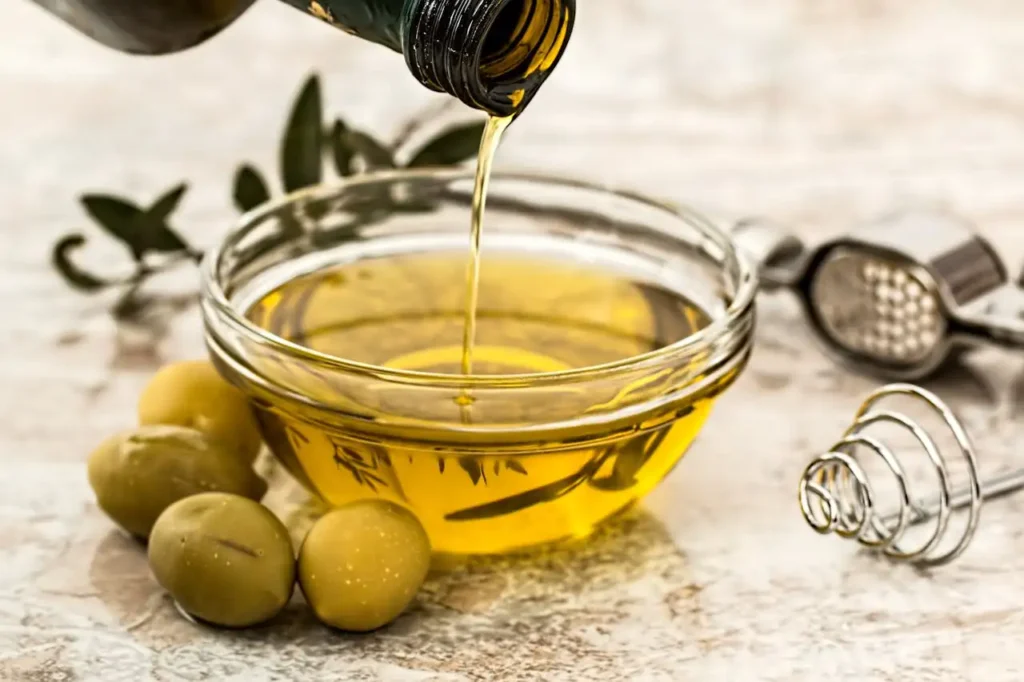
If a dish tastes flat, it usually needs one of three things: more salt, more acid, or more fat. Most home cooks reach for salt by default, but a squeeze of lemon or a splash of red wine vinegar often does more work. Acid brightens flavors and makes everything taste more distinct from each other. Fat, a drizzle of good olive oil, a knob of butter stirred in at the end, rounds everything out and carries flavor across the palate.
I now keep a small bowl of finishing salt, a lemon on the counter, and good olive oil near the stove. Before plating anything, I taste, then ask: does it need brightness (acid), depth (fat), or presence (salt)? Usually one of those three solves it.
The other habit I picked up is resting meat. Not because I read to, but because I once cut into a steak immediately off the grill and watched a puddle of juice spread across my cutting board. Muscle fibers contract under heat and squeeze out moisture. Given three to five minutes of rest, they relax and reabsorb it. A rested steak isn’t just juicier; the texture is noticeably more tender.
You Can Check Also :
How to Cook Chicken Perfectly Every Time (Juicy, Tender & Never Dry)
10 Common Cooking Mistakes Beginners Make (And How to Fix Them Fast)
How to Read a Recipe Properly Before Cooking (Avoid Common Mistakes)
FAQ
What are the most essential cooking tips for beginners to learn first?
The most impactful things beginners can do are learn to control heat properly, salt food at the right time, and pat proteins dry before cooking. These three habits fix the majority of common kitchen mistakes and improve results faster than any new recipe will.
Does it really matter what pan material I use for cooking?
Yes, but not in the way most people think. The material affects heat retention and distribution more than maximum temperature. Cast iron holds heat well and is great for searing; stainless steel heats fast but unevenly; nonstick is ideal for eggs and delicate fish but can’t handle high heat. Matching the pan to the task makes a bigger difference than buying expensive equipment.
Is it true you should never rinse cooked pasta?
Correct, and the reason matters. Pasta releases starch into the cooking water as it cooks, which coats the surface of the noodles. That starchy coating is what allows sauce to cling. Rinsing it off under cold water removes the starch and gives you slick, sauce-resistant pasta.
How long should I rest meat before cutting it?
For steaks and chops, three to five minutes is enough. For a whole roast or larger cut, 10 to 20 minutes is more appropriate. The rule of thumb is roughly one minute of rest per 100g of meat, though this is a guide rather than a hard rule.
Why does my garlic always burn before the rest of the dish is done?
Garlic burns fast because it has a high sugar content and very little water, so it goes from raw to scorched within 30 to 60 seconds at high heat. Add it later than you think (after onions have softened, not at the same time), keep the heat at medium, and keep it moving in the pan.