
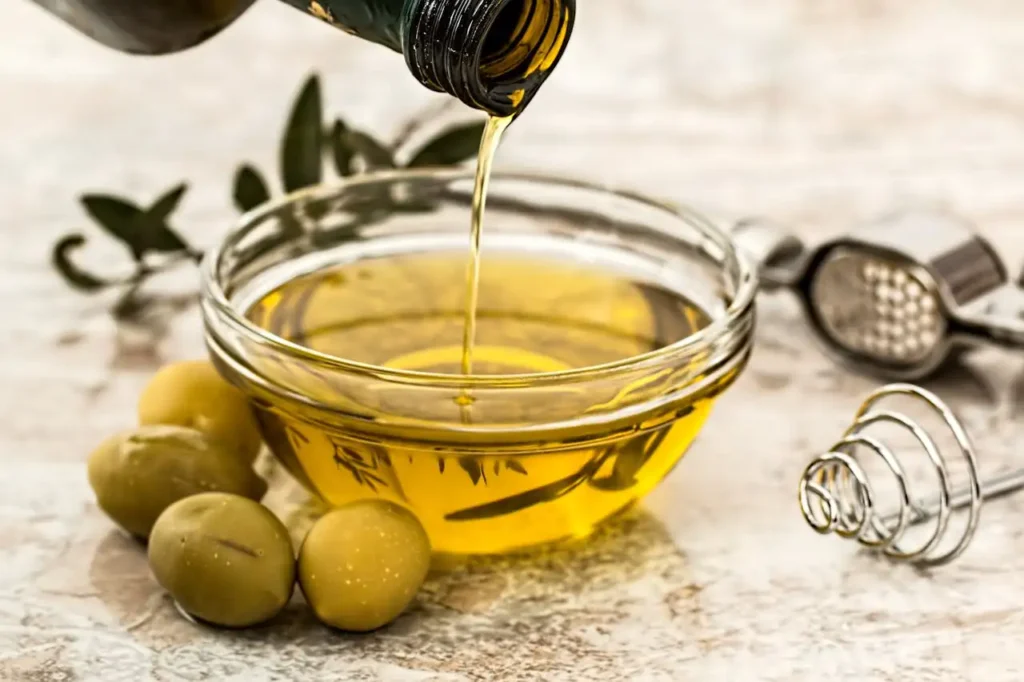
Best Cooking Oils Explained: Which One Should You Use and When?
I ruined a stir-fry once because I grabbed the wrong oil. Olive oil, because it seemed like the “healthy” choice. The pan was screaming hot, the oil hit it, and within seconds the whole thing smelled faintly of burnt crayons. Dinner was technically edible. Barely. That’s when I realized I’d been treating cooking oils like they were all the same, just a way to stop food from sticking. That mistake sent me down a rabbit hole that genuinely changed how I cook. This best cooking oils guide is what I wish I’d had then.
Table of Contents :
Why Smoke Point Actually Matters in Any Cooking Oils Guide
Here’s the thing nobody explains properly: smoke point isn’t just a technicality. It’s the temperature at which an oil starts breaking down, producing acrid smoke and releasing compounds that make your food taste bitter and, depending on the oil, aren’t great for you either.
When oil smokes, the fats are oxidizing. That’s a chemical change, not just a visual one. The flavor compounds that make extra virgin olive oil taste grassy and bright? They burn off first. What’s left isn’t pleasant.
So when a recipe says “high-heat oil,” it’s not being precious. It genuinely matters.
A general breakdown:
- Low smoke point (under 375°F): Extra virgin olive oil, butter, unrefined coconut oil. These belong in dressings, finishing, low-heat sautés.
- Medium smoke point (375–450°F): Regular olive oil, vegetable oil, unrefined sunflower oil.
- High smoke point (450°F+): Avocado oil, refined coconut oil, ghee, refined sunflower oil, light olive oil.
The Oil I Reach For Most (And Why It Took Me Too Long to Switch)
For years I used vegetable oil as my everyday oil. It was cheap, neutral, always in the cabinet. Then I started paying attention to what “vegetable oil” actually is, and the answer is usually: a blend of highly refined seed oils, often soybean or canola-heavy, processed with heat and solvents.
That doesn’t automatically make it dangerous. But it’s worth knowing what you’re cooking with.
I switched to avocado oil for almost everything high-heat. It has one of the highest smoke points of any cooking oil (around 500°F for refined versions), a mild flavor that doesn’t compete with the food, and a fatty acid profile that holds up better under heat. It costs more. Worth it for me.
What I do now: avocado oil for searing, roasting, anything above 400°F. Good extra virgin olive oil for dressings, finishing, and anything I want to taste the oil itself.
Olive Oil: Stop Being Afraid to Cook With It (But Know Its Limits)
There’s a persistent myth that you should never cook with olive oil. That’s too broad. Extra virgin olive oil has a smoke point around 375–405°F, which is fine for most everyday sautéing. The confusion comes from people using it for high-heat applications, like getting a cast iron truly ripping hot for a sear.
Here’s an insight that doesn’t get enough attention: extra virgin olive oil actually contains natural antioxidants that provide some stability under moderate heat, which partly offsets the lower smoke point. Studies have found it holds up better than its smoke point suggests.
So for a weeknight vegetable sauté or cooking eggs over medium heat? Olive oil is completely fine. Just don’t use it in a wok on a blazing burner. That’s where things go sideways.
How to Choose an Oil for Frying: A Step-by-Step Approach
Deep frying intimidates people, and a lot of that intimidation comes from not knowing what oil to use. Using the wrong one is the difference between crispy and greasy.
Here’s how I think through it:
- Check your target temperature. Most frying happens between 350°F and 375°F. You need an oil with a smoke point comfortably above that, so 400°F minimum.
- Consider flavor. Neutral oils (refined peanut, sunflower, avocado) won’t interfere with your food. Coconut oil adds a subtle sweetness. Great for some things, weird for others.
- Think about reuse. Refined oils with stable fat profiles hold up better through multiple fry sessions. Polyunsaturated-heavy oils (like corn or regular sunflower) degrade faster.
- Look at cost. Frying uses a lot of oil. Avocado oil is my favorite for health reasons, but I’m not pouring $20 worth into a pot of chicken. Refined peanut oil is my go-to for deep frying: high smoke point, stable, affordable, neutral-to-slightly-nutty flavor.
The best cooking oil for frying at home is probably refined peanut oil or a high-oleic sunflower oil. Both are widely available and don’t break the bank when you need volume.
Quick Fix Box: Your Oil Is Smoking Before the Food Goes In Pull the pan off the heat immediately. Let it cool slightly, wipe it out if needed, and start again at lower heat. Don’t add food to smoking oil. The burn compounds won’t cook off, they’ll just coat whatever you’re making.
The Health Question: What’s Actually Worth Worrying About
Here’s where I try not to oversimplify, because this topic gets muddled fast.
The oils that tend to get flagged in conversations about heart health and cholesterol are the ones high in omega-6 polyunsaturated fats, especially when heavily refined and used at high heat repeatedly. That’s not a reason to panic about a drizzle of corn oil in a recipe. But it’s why I don’t fill my fryer with soybean oil and reuse it ten times.
Oils generally considered better choices for cardiovascular health include extra virgin olive oil, avocado oil, and yes, even canola oil in moderation. Canola oil gets an unfair reputation. Is canola oil healthy? For most people, used in reasonable amounts, yes. It’s high in monounsaturated fat, low in saturated fat, and contains some omega-3s. The concern usually centers on how it’s processed, which is fair, but it’s not the villain it’s sometimes made out to be.
Harvard T.H. Chan School of Public Health on dietary fats
Saturated fats (butter, coconut oil, ghee) aren’t the enemy either, but they’re worth being mindful of if cholesterol is a concern for you. The honest answer: a varied approach using mostly olive and avocado oils, with butter for flavor where it counts, is a reasonable middle ground for most home cooks.
→ Amazing Recipe : Healthy Mediterranean Chicken Salad Bowl (Fresh & Filling).
The Oils Worth Skipping (Most of the Time)
Partially hydrogenated anything. That’s it. That’s the real answer to worst cooking oil for health. Partially hydrogenated oils are the source of artificial trans fats, and they’ve been largely phased out in many countries, but they still show up in some shelf-stable products. Read labels.
Beyond that, I’d be cautious with:
- Old oil. Oxidized oil smells off, like crayons or old paint. If it smells wrong, it is wrong.
- Highly refined “blend” oils with no clear sourcing. They’re not necessarily dangerous, but you don’t know what you’re getting.
- Overheated oil, reused repeatedly. Each heating cycle degrades the fat further. If your frying oil is dark and foamy, it’s done.
One thing most articles won’t tell you: the storage matters as much as the type. Keep oils away from heat and light. That $25 bottle of nice olive oil sitting next to your stove? It’s going rancid faster than you think. Dark cabinet, away from the range.
FAQ
Which cooking oil is good for health overall? Extra virgin olive oil is the most research-backed option for general health, particularly heart health. Avocado oil is also an excellent choice, especially for high-heat cooking where olive oil’s smoke point is limiting.
What is the worst cooking oil for health? Partially hydrogenated oils containing artificial trans fats are the most clearly problematic. Beyond that, repeatedly reheated polyunsaturated-heavy oils (like corn or regular soybean oil) are worth avoiding due to oxidation.
Is canola oil healthy or not? Canola oil is generally considered a reasonable healthy choice, high in monounsaturated fats and low in saturated fat. Concerns about its processing are valid but tend to be overstated for typical home cooking use.
What’s the best cooking oil for frying at home? Refined peanut oil and high-oleic sunflower oil are both excellent for frying: high smoke points, stable under heat, neutral flavor, and cost-effective when you need volume.
Can you use olive oil for everyday cooking or only cold dishes? You can cook with olive oil, including sautéing and roasting at moderate temperatures. Save extra virgin for lower-heat cooking and finishing. For anything above 400°F, switch to a higher smoke-point oil like avocado or refined peanut.
You Can Check Also :
How to Cook Chicken Perfectly Every Time (Juicy, Tender & Never Dry)
10 Common Cooking Mistakes Beginners Make (And How to Fix Them Fast)
Once you stop treating all cooking oils as interchangeable, you’ll notice the difference pretty quickly, in flavor, in how your pans behave, and in how often you’re not scrubbing burnt residue off a skillet.
Did you love this recipe?
Share it with your friends & family!

Leave a Comment