
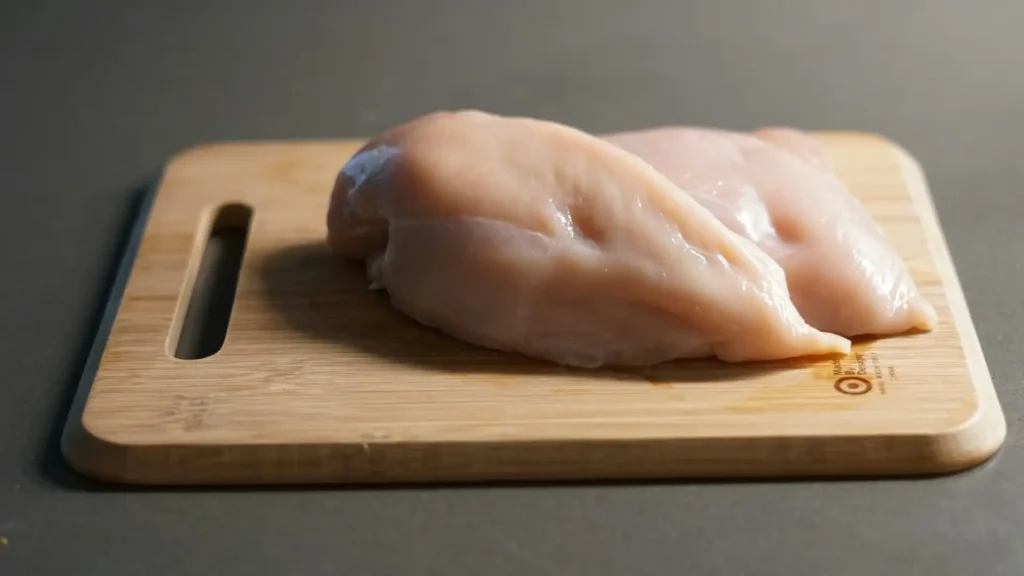
The Complete Guide to Handling Raw Chicken Safely at Home
The first time I cross-contaminated my cutting board, I didn’t even notice. I’d sliced raw chicken thighs, rinsed the board under cold water, and started chopping tomatoes for the same salad. Thought I was fine. Two days later, my partner and I were both miserable. Handling raw chicken safely is one of those skills that looks obvious until something quietly goes wrong, and by then the mistake is already hours behind you.
That experience changed how I run my kitchen. Not with fear, but with a system.
Table of Contents :
Why Handling Raw Chicken Goes Wrong Before You Even Start Cooking
Most contamination doesn’t happen at the stove. It happens in the thirty seconds between pulling the package out of the fridge and getting the chicken into the pan.
Raw chicken carries bacteria like Salmonella and Campylobacter on its surface. Those bacteria transfer to anything they touch: your hands, the counter, the faucet handle you grabbed to turn on the water, the spice jars you reached for without thinking. The chicken itself gets cooked and becomes safe. Everything else it touched quietly isn’t.
The fix isn’t complicated, but it requires building a habit before cooking starts:
- Clear and wipe down your prep area before the package is opened.
- Get out every ingredient, spice, and tool you’ll need so you’re not reaching for things mid-prep with contaminated hands.
- Designate one cutting board for raw poultry, ideally a different color or material from your vegetable board.
- Have paper towels within reach, not a cloth towel, because cloth holds bacteria and you’ll wipe your hands on it without thinking.
- Keep a small bowl of soapy water nearby, or position yourself next to the sink so handwashing doesn’t feel like a trip.
The reason this prep matters: the biggest contamination vector in home kitchens isn’t the chicken itself, it’s the cook’s hands acting as a bridge between raw meat and everything else in the kitchen. You can’t clean what you don’t think to clean.
The Cold Water Rinse Habit That’s Actually Making Things Worse
For years I rinsed my chicken under running water because my grandmother did it and it seemed like the right thing to do. It is not. This one took me a while to unlearn.
When you rinse raw chicken under the tap, the water doesn’t remove bacteria. It aerosolizes them. Fine droplets splash off the chicken surface and land up to three feet away on your countertop, your dish rack, your clean cutting board sitting nearby. You’ve just turned a contained problem into a scattered one.
The USDA specifically advises against rinsing raw poultry for this reason. The bacteria on the surface are destroyed by heat, not water, so the rinse accomplishes nothing except spreading contamination further.
Quick Fix: Skip the rinse entirely. If you want a cleaner surface before seasoning, pat the chicken dry with paper towels and discard them immediately. You’ll also get a much better sear, because moisture is the enemy of browning.
That last part is actually a cooking bonus: wet chicken steams instead of sears. The Maillard reaction, the browning that creates flavor, requires a dry surface and high heat. Patting dry isn’t just safe, it makes the chicken taste better.
What I Do Now: The One-Hand Rule for Handling Raw Chicken Safely
This is the habit that genuinely changed my workflow, and I almost never see it mentioned anywhere.
I use one hand for raw chicken and one hand for everything else. Dominant hand touches the raw meat. Non-dominant hand opens the spice jars, adjusts the stove knob, grabs the tongs. That’s it. One rule.
The reason most home cooks keep cross-contaminating is not carelessness, it’s forgetfulness. You season the chicken, your hands are covered, and your brain just… reaches for the olive oil bottle anyway. The one-hand rule forces a physical distinction that’s easier to maintain than trying to remember to wash your hands every single time you switch tasks.
It sounds almost too simple. After a few sessions it becomes automatic. I haven’t had a spice jar contamination situation since I started doing this, and I cook chicken two or three times a week.
The Temperature Thing: What Actually Kills the Bacteria
There’s a persistent belief that chicken needs to be cooked until it’s completely white all the way through, with no pink anywhere. The color is not the measurement you want. Color is unreliable.
The actual target is internal temperature. The USDA recommends 165°F (74°C) as the safe internal temperature for whole cuts of chicken and ground poultry. That’s the number. Not color, not texture, not how the juices look.
A meat thermometer inserted into the thickest part of the meat, away from bone, is the only way to know. Bone conducts heat differently and will give you a false high reading if your thermometer is touching it.
Here’s something worth knowing that most food safety articles skip: the 165°F recommendation accounts for an instant kill at that temperature. But chicken held at lower temperatures for longer periods also reaches food safety, because bacteria die on a time-temperature curve, not just at a single kill point. The USDA’s 165°F target is the conservative instant-kill threshold designed for home cooks who aren’t monitoring hold time. You don’t need to go beyond it.
How Long Raw Chicken Is Actually Safe in Your Fridge (This Surprised Me)
I used to buy chicken on Monday planning to cook it Wednesday. That’s a mistake I stopped making after I started reading more carefully.
Raw chicken should be cooked within one to two days of purchase. Not three days. Not “a few days.” One to two. After that, bacterial growth has progressed enough that cooking doesn’t fully reverse the risk, because some bacterial toxins are heat-stable, meaning they survive even after the bacteria themselves are killed.
Here’s how to handle the timing realistically:
- Buy chicken the day you plan to cook it, or the day before.
- If that’s not possible, freeze it the day you buy it and thaw it in the fridge, not on the counter.
- Thawing on the counter allows the outer surface of the chicken to reach temperatures above 40°F while the inside is still frozen. That outer layer is now in what the USDA calls the “danger zone,” between 40°F and 140°F, where bacteria multiply fastest.
- Fridge thawing keeps the entire piece below 40°F throughout the process.
The fridge thaw takes planning: a whole chicken needs about 24 hours per 5 pounds. Bone-in pieces usually take overnight. Worth building it into your weekly cooking routine rather than trying to rush it.
You May Also Like these Chicken Recipes :
Grilled California Avocado Chicken
Honey Garlic Baked Chicken Drumsticks
What Handling Raw Chicken Safely Looks Like, Start to Finish
A story instead of a tip list, because this one is worth walking through as a whole.
Last Tuesday, I made sheet pan chicken thighs. Here’s exactly how the prep went. I cleared the counter and wiped it down before the package came out of the fridge. I set up my cutting board, knife, paper towels, and a small bowl for the trimmed fat pieces. I got out the olive oil, garlic, and seasoning and set them behind me on the counter, out of reach of my prep zone.
I opened the package with my right hand, transferred the thighs to the board, and discarded the packaging and any liquid in it immediately. I patted the pieces dry with paper towels, threw those away, trimmed with my right hand only, seasoned with my left hand working the jars. Never crossed the hands.
After the chicken was in the pan, I washed my hands properly: twenty seconds with soap, including between the fingers and under the nails. Then I wiped down the cutting board with hot soapy water before using it for anything else.
Total extra time over just throwing the chicken in a pan haphazardly: maybe three minutes. That’s the whole cost of doing this right.
FAQ
Can you get sick from touching raw chicken?
Yes, though the risk comes from touching contaminated surfaces and then touching your mouth, eyes, or ready-to-eat food without washing your hands first. Raw chicken bacteria like Salmonella don’t penetrate skin, but they transfer easily from hands to other surfaces. Thorough handwashing with soap for at least 20 seconds after contact removes the risk.
How long after eating raw chicken would you be sick?
Symptoms from raw chicken bacteria typically appear between 6 and 48 hours after eating contaminated food, depending on the bacteria involved. Salmonella usually causes symptoms within 12 to 72 hours. Campylobacter often takes 2 to 5 days. Onset time alone can make it hard to identify the source.
Does rinsing raw chicken under the sink make it cleaner?
No. Rinsing raw chicken does not remove bacteria and actually increases contamination risk by splashing bacteria-laden water onto surrounding surfaces. The only thing that kills the bacteria on raw chicken is heat, specifically reaching an internal temperature of 165°F throughout the meat.
How long can raw chicken sit in the fridge before it needs to be cooked?
Raw chicken is safe in the refrigerator for one to two days from the purchase date. Beyond that, bacterial growth increases significantly even at refrigerator temperatures. If you’re not cooking it within two days, freeze it on the day you buy it.
What should I do if I used the wrong cutting board for raw chicken?
Wash the board immediately with hot soapy water, then sanitize it with a solution of one tablespoon of unscented bleach per gallon of water. Let the sanitizing solution sit on the surface for about two minutes before rinsing. Anything cut on that board afterward, before sanitizing, should be considered potentially contaminated and not eaten raw.
You Can Check Also :
How to Cook Chicken Perfectly Every Time (Juicy, Tender & Never Dry)
10 Common Cooking Mistakes Beginners Make (And How to Fix Them Fast)
How to Read a Recipe Properly Before Cooking (Avoid Common Mistakes)
Once you build these habits, handling raw chicken stops being something you have to think about. It just becomes part of cooking. And the thing you gain, beyond safety, is confidence in your own kitchen, which changes how you cook in ways that are hard to fully describe until you’ve felt it.
Did you love this recipe?
Share it with your friends & family!
Leave a Comment