
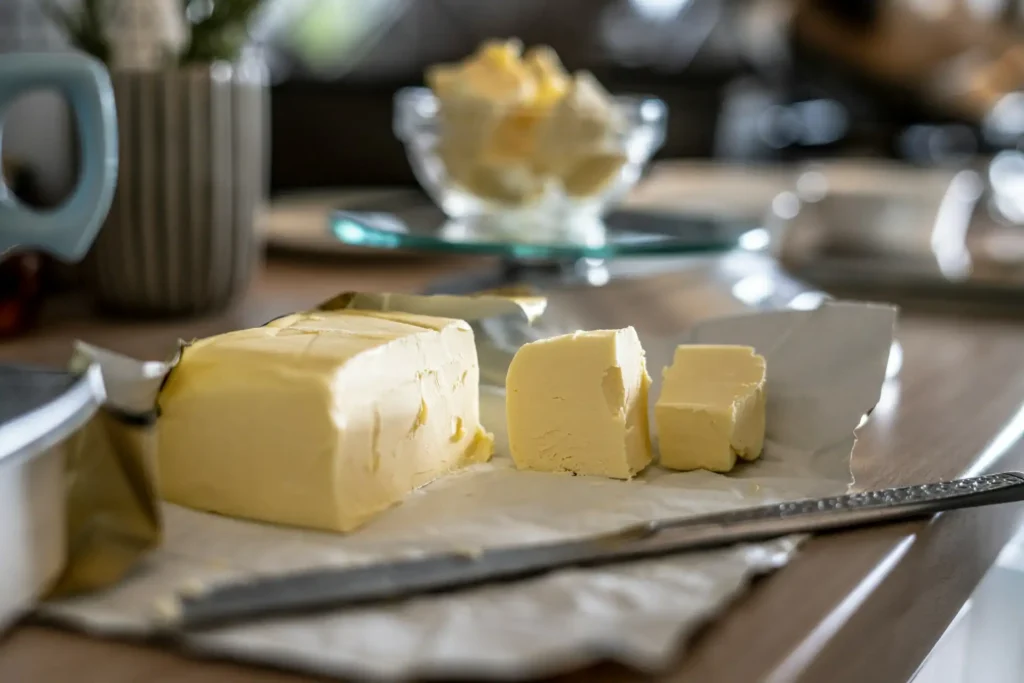
How to Brown Butter Without Burning It
The first time I browned butter, I produced something that smelled like a campfire mistake. I’d read “stir constantly over medium heat until golden brown” and done exactly that, except somewhere between golden and brown I hit black. I scraped it into the sink, opened a window, and started over with fresh butter, frustrated that something so simple had gone sideways so fast.
That was year two of cooking seriously. I’ve made browned butter probably three hundred times since. Learning how to brown butter without burning it isn’t about being more careful, it’s about understanding exactly what’s happening in that pan and why the last thirty seconds matter more than the entire two minutes before them.
Table of Contents
Why Butter Burns So Easily (and What’s Actually Happening)
Butter isn’t one thing. It’s fat, water, milk proteins, and milk sugars, all mixed together. When you melt it and keep the heat on, the water evaporates first, which is that foamy bubbling phase. Once the water is mostly gone, the milk solids, those tiny particles suspended in the fat, start to toast. That toasting is the Maillard reaction, the same browning chemistry that makes seared steak and toasted bread smell good.
Here’s the part most posts skip: the milk solids sink. They settle on the bottom of the pan, directly against the hottest surface, while the fat above them acts as an insulator. You can be watching a pan of pale gold butter and have solids on the bottom that are thirty seconds from black. The foam on top hides what’s happening below.
That’s why you need to swirl, not just stir. Stirring moves the butter side to side; swirling lifts those bottom solids up through the fat. It’s a small mechanical difference with a real effect.
How to Brown Butter Without Burning It: The Step-by-Step Method
This is the version I’ve landed on after years of adjustments. The pan choice and the timing cue matter more than anything else.
- Use a light-colored stainless or enamel pan. Not nonstick, not dark-coated cast iron. You need to see the color of the solids as they change. A dark pan hides the moment of truth entirely.
- Cut your butter into roughly equal pieces before adding it to the pan. Uniform pieces melt at the same rate. A giant chunk next to a sliver means parts of the butter are sitting in hot fat while others are still solid.
- Set the heat to medium, not medium-high. Medium-high gets you there faster but compresses the window between perfect and burnt to about fifteen seconds. Medium gives you a thirty to forty-five second buffer.
- Swirl the pan every twenty seconds or so once the foam appears. You’re redistributing the solids so they don’t sit directly on the hot bottom in a concentrated layer.
- Pull the pan off the heat as soon as you smell hazelnuts. Not when it looks ready. The smell is the real signal. The color you can see is slightly behind the actual doneness because of the foam.
- Pour it into a bowl immediately. The pan is still hot and will keep cooking the butter. Leaving browned butter in the pan for even thirty extra seconds can push it over.
Quick Fix: If you’re nervous about timing, have a heatproof bowl ready before you start. The moment you smell that nutty aroma, take the pan off the heat and pour, don’t wait to check the color first.
The Pan-Off-Heat Trick Most Recipes Don’t Tell You About
Here’s the thing that changed how I brown butter: I started pulling the pan off the heat about ten seconds earlier than I thought I needed to.
Residual heat is not a small factor here. A stainless steel pan holds substantial heat in its base, and that heat keeps cooking the butter after the burner is off. If you wait until the butter looks perfectly golden before pulling it, you’ve already missed the window. By the time it’s plated it’s darker than you wanted, and if you left it in the pan, it might be bitter.
I now pull the pan off the heat when the butter is at light amber and smells like popcorn just starting to toast. It finishes in the bowl or in whatever I’m making, and lands at that deep golden hazelnut color every time. Think of it like carryover cooking for butter. The concept is exactly the same as resting meat after cooking, the interior, or in this case the solids, keep cooking after the heat source is removed.
What to Do If It’s Starting to Smell Sharp or Bitter
Sometimes you catch it just on the edge. The butter smells almost acrid, slightly sharp, not quite the warm hazelnut you wanted. This is the moment people think they’ve ruined it.
You might still be okay. Take it off the heat right now and immediately add a small amount of something cold: a teaspoon of cream, a squeeze of lemon juice, or even a few ice cubes if you’re in a panic. Cold liquid drops the pan temperature fast and stops the cooking. The flavor will be slightly more intense, edgier, but usable in something with other strong flavors, like a beurre noisette for pasta with capers, or a vinaigrette.
If it smells genuinely burnt, acrid, or like charred plastic, don’t try to save it. Burnt milk solids are bitter in a way that can’t be masked. Start over. Butter is cheap compared to whatever dish you’re finishing with it.
What I do now: I keep a ramekin of cold cream next to the stove whenever I’m browning butter. I’ve used it maybe five times in three years. But having it there means I never rush the process out of anxiety.
Brown Butter in a Story: The Batch That Taught Me to Trust My Nose
There’s a specific afternoon I come back to. I was making brown butter shortbread for the first time, a double batch, more butter than I’d ever browned at once. I was watching it constantly, waiting for that color shift, and it just… wasn’t happening. The foam was thick, everything looked pale, I thought maybe my heat was too low. So I turned it up.
You can probably guess what happened.
The problem was I was watching instead of smelling. With a larger batch, there’s more foam, more visual noise, and the color change happens fast underneath all of it. If I’d been tracking the aroma, I would have caught it. The nutty, toasty smell that signals “almost there” is completely consistent regardless of batch size. The visual cues are not.
Since then: I close my eyes for a second when I’m browning butter and just smell. It sounds like a cooking school affectation but it actually works. Your nose catches it before your eyes do.
Getting the Color Right Every Time: Light vs. Deep Brown Butter
Not all browned butter is the same, and the difference matters depending on what you’re making.
Light brown butter, pulled early, has a mild nuttiness. It’s good in delicate applications: brown butter hollandaise, drizzled over poached fish, stirred into ricotta. The flavor is present but not aggressive.
Deep brown butter, pushed further before pulling, is almost caramel-forward with a sharp nuttiness. Better for robust uses: brown butter chocolate chip cookies, roasted squash, pasta with sage. The solids are dark amber instead of golden.
The risk zone is everything past deep brown. Once the solids tip from dark amber to brown-black, the bitterness compounds fast. There’s no “dark roast” version of browned butter that tastes good. Stop before you think you need to.
food science explanation of Maillard reaction and lipid oxidation in dairy fats
FAQ: How to Brown Butter Without Burning It
Can you brown butter in a nonstick pan?
Technically yes, but it’s much harder. Nonstick coatings are usually dark, which makes it nearly impossible to see the color of the milk solids as they change. You’ll have to rely entirely on smell, which is doable but adds difficulty. A light-colored stainless pan is genuinely better for this.
How do you know when brown butter is done?
Brown butter is done when it smells deeply nutty, like hazelnuts or toasted popcorn, and the milk solids at the bottom of the pan have turned golden amber. Pull it off the heat at that point and pour it into a bowl immediately to stop the cooking.
Does brown butter taste burnt? A lot of people confuse the two.
No, properly browned butter tastes nutty, rich, and slightly caramel-like. Burnt butter tastes acrid and bitter. The difference is the milk solids: toasted is nutty, charred is bitter. If your browned butter tastes sharp or unpleasant, it went too far.
How long does it take to brown butter?
For about four tablespoons of butter on medium heat, expect three to five minutes from solid to browned. A larger amount takes longer. Heat level affects this significantly, so use time as a rough guide and trust the color and smell as your real signals.
What if my brown butter has dark specks but still smells good?
Those dark specks are the milk solids, and they’re the whole point. They should be there. Golden to amber specks mean perfectly browned butter. If the specks are black and the smell is sharp, it’s burnt. Specks that are dark brown but fragrant are on the edge, use quickly in a dish with bold flavors.
You Can Check Also :
How to Cook Chicken Perfectly Every Time (Juicy, Tender & Never Dry)
10 Common Cooking Mistakes Beginners Make (And How to Fix Them Fast)
How to Read a Recipe Properly Before Cooking (Avoid Common Mistakes)
Once you’ve browned butter without burning it a few times, it stops feeling like a technique and starts feeling like a reflex. You just know when to pull it. And then a whole category of recipes, the ones that used to call for “melted butter” and taste fine, suddenly get a lot more interesting.
Did you love this recipe?
Share it with your friends & family!

Leave a Comment