
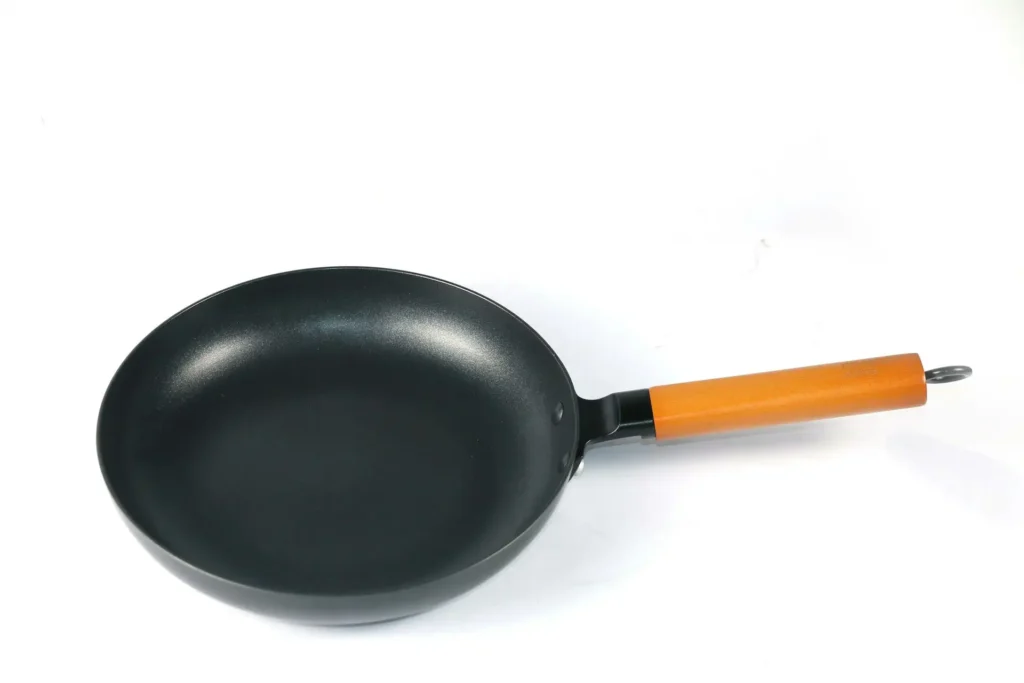
How to Clean a Cast Iron Pan the Right Way (Without Ruining the Seasoning)
The first cast iron pan I ever ruined, I ruined with good intentions. I’d cooked a batch of cornbread, noticed some dark residue stuck to the bottom, and did what felt logical: filled it with soapy water and let it soak overnight. By morning, the seasoning had lifted in patches, there was a faint orange tint creeping in at the edges, and my pan looked worse than when I started. That was seven years ago. Learning how to clean a cast iron pan properly took a few more mistakes after that, but I eventually stopped fighting the thing and started working with it.
Table of Contents :
Why Cast Iron Reacts So Differently From Your Other Pans
Most of your cookware has a non-reactive coating or a stainless surface, meaning water and soap can sit on it without doing much. Cast iron is porous raw metal with a polymerized oil layer (the seasoning) bonded to it. That’s it. No factory coating protecting it.
When water sits in a cast iron pan for more than a few minutes, it seeps into those pores and starts oxidizing the metal underneath. That orange or reddish tinge isn’t just cosmetic. It’s iron oxide forming under your seasoning, and it will eventually flake up into your food and keep spreading if you leave it.
Soap is a little more nuanced. The old rule “never use soap” came from when dish soap contained lye, which is genuinely harsh enough to strip seasoning. Modern dish soap is much milder. A small drop on a warm pan for thirty seconds won’t destroy anything. But leaving soapy water to soak, or scrubbing hard with soap repeatedly? That compounds over time. You’re slowly thinning the seasoning with every wash.
The mechanism matters here because once you understand it, you make better decisions in the moment.
How to Clean a Cast Iron Pan After Normal Everyday Cooking
This is the routine. Get this right and you’ll almost never need to do anything more.
- While the pan is still warm (not screaming hot, just warm enough to touch), pour in about two tablespoons of coarse kosher salt.
- Use a folded paper towel or a stiff-bristled brush to scrub the salt around the pan in firm circles. The salt acts as a mild abrasive and lifts food particles without getting under the seasoning layer.
- Dump the salt and any loosened bits into the trash.
- Rinse briefly under warm water, scrubbing lightly with your brush or a non-metal scrubber. No soaking, no submerging.
- Dry the pan immediately and completely with a dish towel.
- Put the pan back on the burner on low heat for two to three minutes. This drives out any moisture hiding in the pores, which no towel can fully remove.
- Once completely dry and barely warm, add about half a teaspoon of neutral oil (flaxseed, vegetable, or shortening all work) and rub it over the interior with a paper towel until you can barely see it. Buff off any excess. You want the thinnest possible layer, not a visible sheen.
Quick Fix: If food is sticking after you clean up, your pan probably just needs oil. Rub a very thin layer onto the surface after every wash and the seasoning will keep building on its own.
How to Clean a Cast Iron Skillet With Burnt-On Residue
This is where people panic and grab the steel wool. Don’t.
Burnt-on residue, the kind that clings even after scrubbing with salt, responds much better to heat and water together than to force. Pour about a quarter inch of water into the pan and bring it to a gentle simmer on the stovetop. Within two to three minutes, you’ll see the stuck-on bits start lifting off the bottom. Use a wooden spoon or a silicone spatula to help them along.
This works because heat reactivates the residue’s bond to the surface. The simmering water creates enough steam pressure between the food and the metal to break the seal, which brute scrubbing alone won’t do. I discovered this by accident one night when I forgot a pan on the stove with a little leftover cooking water in it. Came back ten minutes later to a clean pan.
Once the bits have loosened, pour the water out carefully, then go through the usual dry and oil routine above. The pan won’t look perfect, but the residue will be gone without taking your seasoning with it.
One thing I never see other people mention: if the water trick doesn’t work on the first try, it’s almost always because the water wasn’t hot enough or you weren’t patient enough. Give it a full five minutes at a low simmer before you conclude it isn’t working.
How to Clean a Rusty Cast Iron Skillet (This Isn’t the End)
Rust on cast iron looks catastrophic. It is not.
A light surface rust, the kind that looks like faint reddish-brown patches rather than deep pitting, can be reversed at home. Scrub the affected area with steel wool or a chain mail scrubber and a little dish soap, applying real pressure, until the rust is gone and you’re seeing raw grey metal. Rinse, dry immediately on a hot burner, and then re-season the pan.
Re-seasoning is just this: rub a very thin, nearly invisible layer of oil over the whole pan (inside, outside, handle), then bake it upside down in a 450°F oven for one hour with a sheet of foil on the rack below to catch drips. Let it cool in the oven. One round might not restore a full dark finish, but it’s enough to protect the metal and cook on. You can build from there with regular use.
The reason people give up on rusty cast iron is that they expect one seasoning session to look like a pan that’s been cooked in for years. It won’t. But it’ll cook just fine while the layers build back up.
The Baking Soda Method for a Stubborn, Gunky Pan
There’s a specific kind of mess that falls between “normal burnt-on” and “needs full re-seasoning,” which is when the pan has built up a thick, uneven, sticky layer from years of over-oiling. It feels slightly tacky when cool, food sticks in unpredictable spots, and no amount of scrubbing with salt gets it smooth.
This is oxidized oil that polymerized incorrectly, usually because someone applied too thick a layer and it never fully cured. It’s not really seasoning anymore. It’s gunk.
Make a paste with baking soda and a small amount of water, maybe two tablespoons of baking soda to a teaspoon of water, and scrub it into the problem areas with a non-metal scrubber. Baking soda is mildly alkaline and slightly abrasive in a way that breaks down that sticky oxidized layer without stripping good seasoning underneath.
What I do now: I use about half the oil I used to when maintaining cast iron. Less oil, applied more often, builds better seasoning than occasional thick coats. I made the switch after a pan I’d “seasoned” heavily kept feeling greasy and tacky for months.
What You Should Never Do (And Why Each One Actually Matters)
Let me skip the usual list format here and just be honest with you about three specific habits that ruin pans, because the reasons are more useful than the rules.
Don’t put it in the dishwasher. It’s not the heat, it’s the combination of prolonged water exposure and harsh alkaline detergent. Twenty minutes in a dishwasher does more damage than a year of careful hand-washing.
Don’t dry it with the lid on or store it wet. Even residual moisture trapped between a pan and a lid will cause rust overnight. I learned this in August, which I mention because August in my kitchen is humid. A pan I’d carefully dried and stored with the lid on had a ring of rust in the pattern of the lid’s edge by the next morning.
Don’t use it to cook acidic things regularly until the seasoning is solid. Tomato sauce, citrus, wine-based dishes. Acid reacts with iron and can leach a metallic flavor into the food while also stripping the seasoning. Occasional use is fine once the seasoning is well-established, but don’t make it a habit with a new or restored pan.
Frequently Asked Questions
Can I use soap to clean a cast iron pan?
Yes, in small amounts. A drop of mild dish soap on a warm pan, scrubbed briefly and rinsed immediately, won’t strip the seasoning. What damages cast iron is prolonged soaking in soapy water, not a quick wash.
How do I clean a cast iron skillet without removing the seasoning?
Avoid soaking, avoid harsh abrasives, and dry the pan immediately and completely after washing. Using the salt-scrub method for daily cleaning, combined with a thin oil rub after each wash, keeps the seasoning intact and gradually builds it up over time.
Does lemon juice clean cast iron?
It removes rust, but it also strips seasoning aggressively and can pit the metal if left on too long. If you’ve seen lemon recommended as a cleaning method, it’s better used as a last resort on heavily rusted pans you plan to fully re-season afterward, not as a regular cleaning approach.
How long should I heat cast iron to dry it after washing?
Two to three minutes on low heat is enough for a normally clean pan. You’re looking for all visible moisture to evaporate and the surface to feel completely dry, not for the pan to get cooking hot. Overheating a wet pan can cause warping in older or thinner cast iron over time.
My cast iron pan looks dull after cleaning. Did I strip the seasoning?
Not necessarily. A dull or slightly grey appearance after washing just means the surface is dry. The dark, glossy look comes from the thin oil layer you apply after drying. If the pan looks grey but isn’t rusty and food isn’t sticking, the seasoning is fine.
You Can Check Also :
How to Cook Chicken Perfectly Every Time (Juicy, Tender & Never Dry)
10 Common Cooking Mistakes Beginners Make (And How to Fix Them Fast)
How to Read a Recipe Properly Before Cooking (Avoid Common Mistakes)
Once you stop dreading the cleanup, cast iron becomes the pan you reach for without thinking. It’s not fussy once you understand it. It just has rules that make sense when you know the reason behind them.
Did you love this recipe?
Share it with your friends & family!

Leave a Comment