
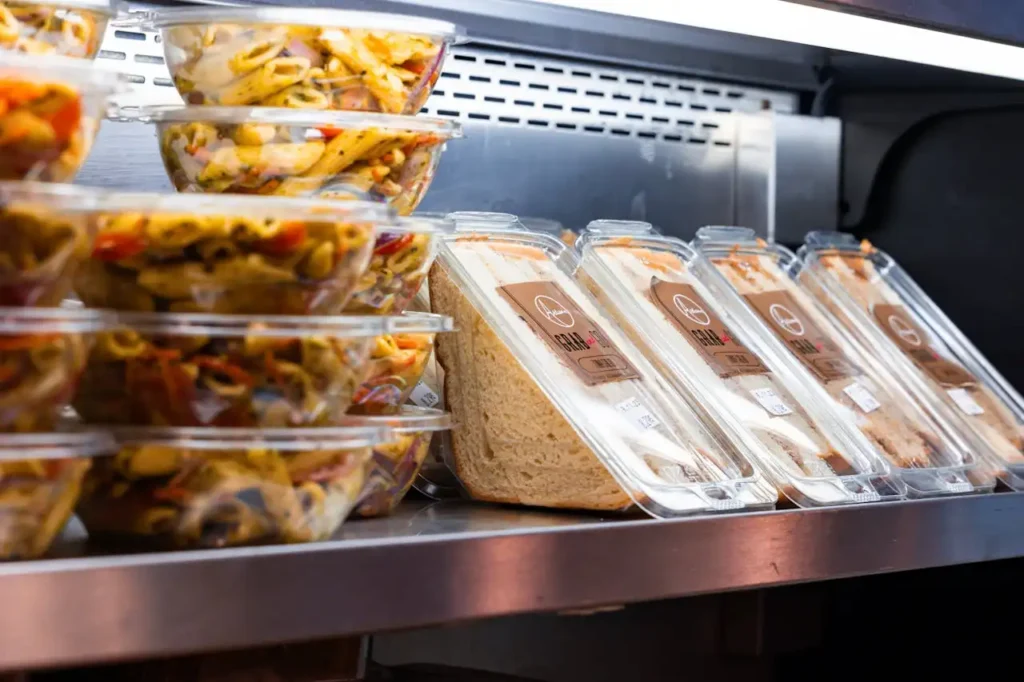
How to Store Leftovers Safely (And Keep Them Fresh Longer)
Last Tuesday I pulled a container of chicken soup from the fridge, took one sniff, and knew. It had been four days. It smelled fine, actually, which is exactly the problem. I ate it anyway. By 11 p.m. I was regretting every decision I’d made since Monday.
Knowing how to store leftovers safely isn’t just about wrapping things up and hoping for the best. There’s real science behind what makes food go bad, and once you understand it, the habits become second nature. Let me walk you through what I’ve learned, mostly the hard way.
Table of Contents :
Why Your Fridge Isn’t Doing All the Work
Most people assume that as long as food is in the fridge, it’s fine. The fridge slows bacterial growth, but it doesn’t stop it. Between 40°F and 140°F is what the USDA calls the “danger zone,” and bacteria in that range can double roughly every 20 minutes.
Your fridge keeps food below 40°F, which dramatically slows that process. But “slow” isn’t “stopped.” So the clock starts the moment food comes off the heat, not the moment it goes into the fridge.
The practical thing to understand here: a pot of soup sitting on the stove for two hours while you clean up has already been in the danger zone long enough to build a meaningful bacterial load. Putting it in the fridge then doesn’t undo that. It just preserves whatever’s already there.
What I Do Now: I set a timer for 30 minutes when I make a big batch of anything. That’s my reminder to get it into shallow containers and into the fridge. I stopped relying on “I’ll do it when it stops steaming.”
How to Store Leftovers Safely in the Fridge: The Cooling Problem Nobody Talks About
Here’s something almost no food blog mentions, and it took me an embarrassingly long time to figure out: putting a hot, deep container straight into the fridge doesn’t just waste energy. It actually raises the internal fridge temperature for 30 to 60 minutes, which means everything else in there, your milk, your deli meat, your produce, temporarily warms up too.
The fix is shallow containers. I use containers no deeper than two inches for anything that needs to cool fast. More surface area means heat escapes faster. A deep pot of chili will still be warm in the center four hours later. Split into two shallow containers, it’s fridge-safe in under an hour.
For really large batches (think full pots of rice, stew, or pasta), I do an ice bath first. Fill a large bowl or your sink with cold water and ice, set the pot in it, stir every five minutes or so. You can drop the temperature from near-boiling to below 70°F in about 20 to 30 minutes this way. Then it goes into the fridge already most of the way cooled.
Quick Fix: If you have hot leftovers and no time, divide them into two or three smaller containers instead of one big one. This single change cuts cooling time roughly in half.
How Long Are Leftovers Actually Good For (And When to Trust Your Gut)
Let me give you the honest numbers, because I spent years guessing.
Most cooked leftovers are safe in the fridge for 3 to 4 days, according to USDA guidelines. Not 5. Not 7. And “safe” assumes they were stored properly from the start, which brings us back to everything above.
The tricky part is that food can look and smell completely normal and still be unsafe. Some bacteria, like certain strains of salmonella, don’t produce the off-smell that tells your nose something is wrong. This is why “if it smells fine, it’s fine” is a genuinely dangerous rule to live by. I learned this after a very bad night involving leftover chicken, as mentioned earlier.
That said, a bad smell is always a reason to throw something out, even if it’s only been two days. The absence of a bad smell is not a guarantee of safety. Those two facts can coexist.
For food that’s been sitting out, the math is harder. Leftovers left at room temperature for more than two hours should not go back in the fridge, they should go in the trash. If it’s a hot day (above 90°F), that window drops to one hour.
Storing Leftovers Safely in the Freezer: A Different Set of Rules
Freezing is where people get confused about the difference between “safe” and “good.” Food frozen at 0°F is safe indefinitely from a bacterial standpoint. The issue is quality: texture degrades, flavor fades, and moisture migrates in ways that make things unpleasant even when they’re technically safe.
Here’s how I freeze leftovers now:
- Cool the food completely before freezing. Warm food in the freezer creates condensation inside the container, which turns into ice crystals that destroy texture. I mean completely cool, not just “not steaming.”
- Remove as much air as possible. For zip bags, press out every bit before sealing. Air is the enemy here because it causes freezer burn, which is dehydration, not contamination, but it ruins the surface of food.
- Label with the date and what it is. Not just “soup.” Write “chicken soup, made Apr 12.” You will not remember in three months.
- Freeze in portion sizes you’ll actually use. Freezing one giant block of chili means defrosting all of it every time. Freeze in two-cup or four-cup portions based on how you normally eat.
- Use within three months for best quality. Safe longer, but don’t expect it to taste the same after six months.
You Can Check Also :
How to Cook Chicken Perfectly Every Time (Juicy, Tender & Never Dry)
10 Common Cooking Mistakes Beginners Make (And How to Fix Them Fast)
The Container Question: Airtight Actually Means Something
I used to think any container with a lid counted as “sealed.” It does not.
Regular lids with no gasket allow air exchange, especially if there’s any pressure difference (like when food is still cooling). That air exchange carries moisture out and odors from other things in your fridge in. Your leftover curry ends up tasting faintly of whatever else is in there, and it dries out faster.
True airtight containers, the ones with a rubber or silicone gasket and a locking mechanism, make a real, measurable difference. You can also get a lot of mileage out of pressing plastic wrap directly onto the surface of food before putting the lid on. This is especially useful for things like rice, mashed potatoes, or anything that forms a skin.
Glass vs. plastic: I use both, but glass is better for anything acidic (tomato-based sauces, citrus dressings). Acid leaches chemicals from some plastics over time and can pick up plastic flavors, especially on reheating. For freezer use, glass can crack if you don’t leave headspace for expansion, so leave at least half an inch at the top.
Uncovered Food in the Fridge: The Hidden Drying Problem
Leaving food uncovered in the fridge overnight does two things. First, it dries out the surface, because the fridge is a low-humidity environment designed to remove moisture. Second, it shares odors freely with everything else in there.
Neither of those is a safety issue in the short term, but here’s the thing almost no one mentions: uncovered food also releases moisture into the fridge air, which can raise humidity around your produce drawers and cause other things to deteriorate faster. It’s a small effect, but in a full fridge with multiple uncovered dishes, it adds up.
One exception worth knowing: some things benefit from being uncovered for a short time. Leftover roasted vegetables or fried food left uncovered for 15 to 20 minutes in the fridge will lose surface moisture before you seal them, which means they reheat crispier and don’t steam themselves soggy in the container. I do this with fries, roasted broccoli, anything I’m hoping to revive in the oven the next day.
Recipes That Are Worth Making in Batches :
FAQ
How do you store leftovers safely overnight?
Let hot food cool for no more than two hours before refrigerating, divide it into shallow containers to speed cooling, and make sure containers are sealed airtight. Leftovers stored this way are safe in the fridge for up to 3 to 4 days.
Can I eat 5-day-old leftovers from the fridge?
Most cooked leftovers should be eaten within 3 to 4 days, not 5. By day five, bacterial growth may have reached levels that could cause illness even if the food smells and looks fine. When in doubt, throw it out.
Is uncovered food in the fridge overnight safe?
It’s generally safe from a bacterial standpoint, but the food will dry out and absorb odors from your fridge. For best results, always cover food, either with a tight lid or plastic wrap pressed directly onto the surface.
How long are leftovers good for if left unrefrigerated?
Cooked food left at room temperature for more than two hours should be discarded. If the ambient temperature is above 90°F, that window shortens to one hour. The danger zone for bacterial growth is between 40°F and 140°F.
Why do my leftovers get watery in the fridge?
Condensation forms when warm food is sealed in a container before it’s fully cooled. The steam has nowhere to go and settles as water. Let food cool completely, uncovered, before sealing and refrigerating it.
Did you love this recipe?
Share it with your friends & family!
Leave a Comment