
How to Make a Pan Sauce for Any Meat (Without a Recipe)
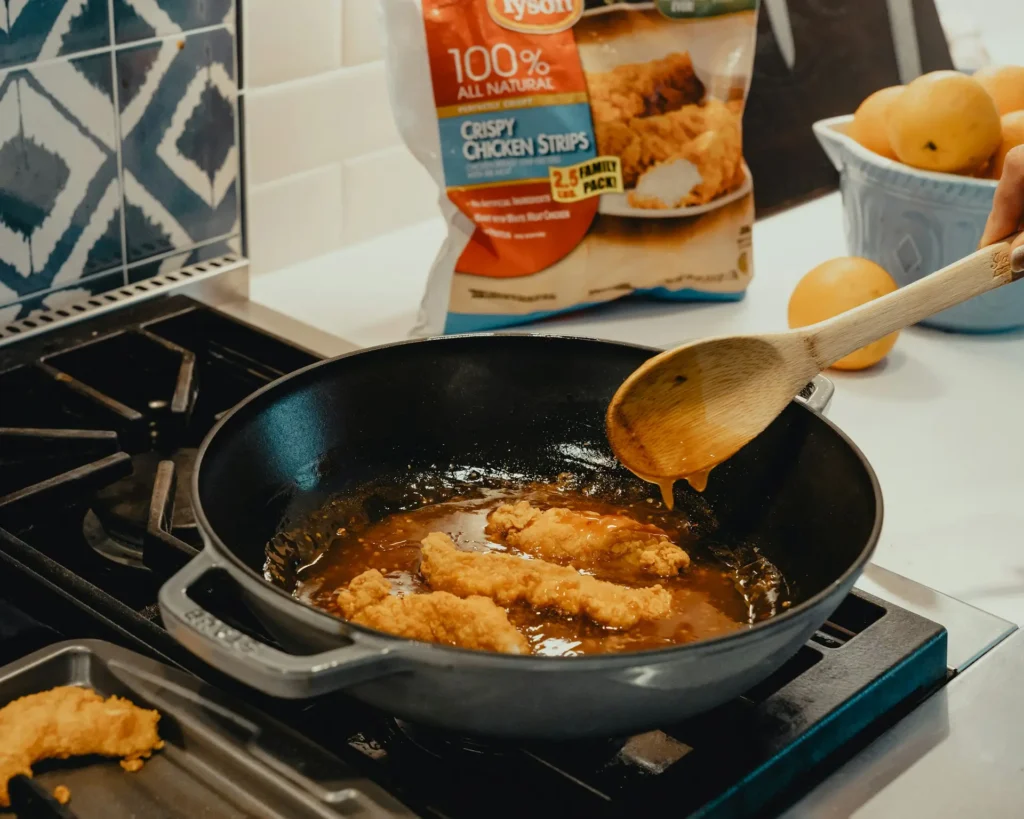
You pull the steak out of the skillet and the pan looks ruined. Dark, crusty, stuck on in patches. Most people reach for the sink, and I get it. But those brown bits are the whole point, and once you know how to make a pan sauce, that “ruined” pan becomes dinner in about the time your meat needs to rest.
It’s no secret that I love a good sauce on a busy weeknight. Here’s what I’ve actually figured out that most guides skip: you don’t need exact measurements. You need to know what the sauce should look, sound, and smell like at each stage. Watch the spoon, listen to the pan, and the sauce tells you what it needs next.
This works on chicken, pork, steak, and chops, with whatever liquid is already in your kitchen. By the end, you’ll know the five stages, the one butter rule that keeps the sauce glossy, and what to do when it goes greasy.
Table of Contents :
What Is a Pan Sauce?
A pan sauce is a quick reduction made from the browned bits left after searing meat, a deglazing liquid, and a finish of cold butter. Those browned bits are called fond, and they’re concentrated flavor stuck to the metal. Deglazing means pouring liquid into the hot pan so the fond dissolves and becomes the base of your sauce.
Skip it and the plate suffers. Seared chicken or a steak with nothing alongside tastes flatter, and a slightly dry cut stays dry. A pan sauce adds moisture, salt, acidity, and richness in one move (and it costs almost nothing, since the flavor is already sitting in the pan).
Sound is your first cue. When the liquid hits the hot pan, it should hiss loudly, and the fond should loosen as you scrape. That loosening is the moment the sauce is born. Scrape the whole pan, corners included, and focus on the browned spots (not the blackened ones, which taste bitter).
How Do You Make a Pan Sauce Without a Recipe?
You make a pan sauce without a recipe by following five stages and reading the visual cue at each one: rest the meat, pour off extra fat, deglaze, reduce, and finish with cold butter. The method never changes. Only the liquid and the flavorings do.
Here’s the quick read on each cue. After searing, the pan should hold browned bits and a thin film of fat, not a pool. After deglazing, the liquid turns tan and slightly cloudy, and it smells deeply savory. After reducing, it stops looking like thin pan juice and lightly coats the back of a spoon. After the butter goes in, it turns glossy and clings to the spoon instead of leaving a slick of fat on top. (Drag a finger across the back of the spoon. If the line holds, you’re there.)
What I do now is pull the pan off the burner before I reach for the butter, every time. It sounds small, but a pan that’s still boiling hard pushes the butter to split instead of blend, so I let the bubbling settle first. This one habit fixed more of my sauces than any fancy ingredient ever did 🙂
What liquid should I use?
Stock gives the most body, wine adds acidity and depth, and plain water works when that’s all you have. Citrus juice brightens a rich sauce, and a splash of cream makes it softer and rounder. Water plus butter makes a perfectly good simple sauce, though the flavor is less complex than one built on stock or wine.
My rule is to pick one main liquid, then add a second for balance. Stock with a squeeze of lemon is a great pairing for chicken. A red wine pan sauce suits steak, and a butter pan sauce built on stock keeps things lighter. Wine is a choice, never a requirement.
How to Make a Pan Sauce: Step by Step
To make a pan sauce, rest the meat, pour off extra fat, deglaze the pan, reduce the liquid, and whisk in cold butter off the heat. The whole thing takes roughly 5–10 minutes, which lines up neatly with your meat’s rest time. Keep the pan you seared in, because the fond is the flavor.
- Rest the meat. Move it to a plate and tent it loosely while you work. Steaks, chops, and roasts should reach 145°F with a 3-minute rest, and chicken should reach 165°F. Check the safe minimum cooking temperatures before you pull anything off the heat.
- Pour off the extra fat. Tilt the pan so the fat pools at the edge, then spoon most of it out. Leave a thin film behind. Too much leftover fat is a top reason sauces turn greasy, so this step matters more than it looks.
- Cook the aromatics, then deglaze. If you’re using shallot, cook it for about 1 minute, until it softens and smells sweet instead of sharp. Pour in your liquid and scrape up the fond with a wooden spoon. It should hiss, then settle into a tan, slightly cloudy liquid.
- Reduce. Simmer until the sauce no longer looks like thin pan juice and lightly coats a spoon. The smell goes from “hot liquid” to deeply savory. If you added marinade, or raw meat juices ended up in the pan, bring the sauce to a full boil during this step before it touches cooked food.
- Mount with cold butter. Pull the pan off the heat and let the bubbling stop. Add cold butter in small pieces, whisking gradually, until the sauce turns glossy and clings to the spoon.
Pro tip: taste before you serve. A pinch of salt or a squeeze of lemon at the very end can wake the whole sauce up. Then spoon it over the meat while everything is still hot.
Why Does My Pan Sauce Turn Greasy or Separate?
Your pan sauce turns greasy because the butter went into a pan that was too hot, so the fat couldn’t stay suspended in the liquid. A pan sauce isn’t made glossy by boiling it harder. Reduction gives it body, but the gloss and cling come from a temporary emulsion, where the water in your reduction holds tiny droplets of butterfat. Butter contains both fat and water, and whisking cold butter in gradually into a reduction that has stopped boiling hard lets those droplets spread evenly. Boil it violently and the [temporary emulsion](plain text, URL needed) breaks, leaving fat floating on top.
That’s why the order of operations matters. Reduce first, take the pan off the heat, then add the butter. When it works, the sauce looks like silk. When it doesn’t, you can see the oil shimmering in a ring around the edge.
Here’s how to read the five most common failures:
Watery. It looks and tastes like thin pan juice. The cause is not enough reduction. Simmer it longer until it lightly coats a spoon.
Too thin. The flavor is good, but it runs off the spoon. Reduce a bit more, or whisk in another small piece of cold butter off the heat. A little starch is an optional rescue, though most sauces never need it.
Greasy. Oil sits on the surface. The cause is surplus rendered fat, or butter added over strong heat. Spoon off the fat and finish off the burner next time.
Bitter. It tastes sharp or burnt. Either the fond scorched, or the sauce was over-reduced. A splash of liquid softens an over-reduced sauce. If the fond was black, wipe out the pan and build a simpler sauce with fresh liquid.
Broken. The fat has separated and the sauce looks split. This one has a rescue path, below.
Quick Fix: If your sauce looks oily, pull the pan off the heat, spoon off the pooled fat, and whisk in a small splash of liquid until it comes back together.
How do I fix a broken pan sauce?
Take the pan off the heat and wait for the bubbling to stop. Add a small splash of liquid (water or stock both work) and whisk hard. The fat droplets should pull back into the liquid, and the sauce turns glossy again. If it still looks split, whisk in one more small piece of cold butter, then serve right away. A rescued sauce won’t sit well, so plate quickly.
Can You Make a Pan Sauce Ahead of Time?
Yes, you can make the reduction ahead of time, but add the final cold butter just before serving. The butter emulsion is temporary, and it doesn’t hold well after sitting or aggressive reheating. So build the flavorful base when it suits you, then do the butter finish while the plates are ready.
Leftover pan sauce needs to go into the fridge promptly. Refrigerate perishable cooked food within 2 hours, or within 1 hour if the room is above 90°F. A shallow container cools it faster than a deep one, and you can keep it for 3–4 days. When you reheat it, go gently and bring it to 165°F, the FDA’s number for leftovers. (If it looks split afterward, the quick fix above works here too.)
Frequently Asked Questions
How do you make a pan sauce without wine?
Deglaze with stock, water, citrus juice, or a mix of them instead. Stock gives the most body, while wine contributes acidity and depth, so a squeeze of lemon helps make up the difference. Water plus butter still works, and the flavor is simply simpler.
Can you make pan sauce ahead of time?
Yes, for the reduction base, but finish with cold butter right before serving. The emulsion is fragile and doesn’t hold well after sitting. If you reheat leftovers, go gently and bring them to 165°F.
Does a pan sauce need flour or cornstarch?
No, reduction and butter usually provide enough body. Starch is an optional rescue for a sauce that stays too thin after reducing. Reach for it only after you’ve given the sauce time to simmer down first.
How long does it take to make a pan sauce?
Roughly 5–10 minutes, which fits neatly inside your meat’s rest time. The range depends on how long your reduction takes and whether you cook aromatics first. Shallot adds about 1 minute before you deglaze.
Why is my pan sauce greasy?
Surplus rendered fat, butter added over excessive heat, or over-reduction are the usual causes. Pour off most of the fat before you deglaze, and always finish with the pan off the burner. If it already looks oily, the splash-of-liquid rescue above brings it back.
You Might Also Like :
Common Ingredient Substitutions for Home Cooks
How to Thaw Chicken Safely (3 Fast Methods)
How to Cook Rice on the Stove: Fluffy, Not Gummy
Once you can read the spoon, a pan sauce stops being a recipe and becomes a habit you reach for on any night you sear something. Which meat are you trying it on first? Tell me in the comments, and I’ll help you troubleshoot if the sauce misbehaves.
Did you love this recipe?
Share it with your friends & family!
Leave a Comment