
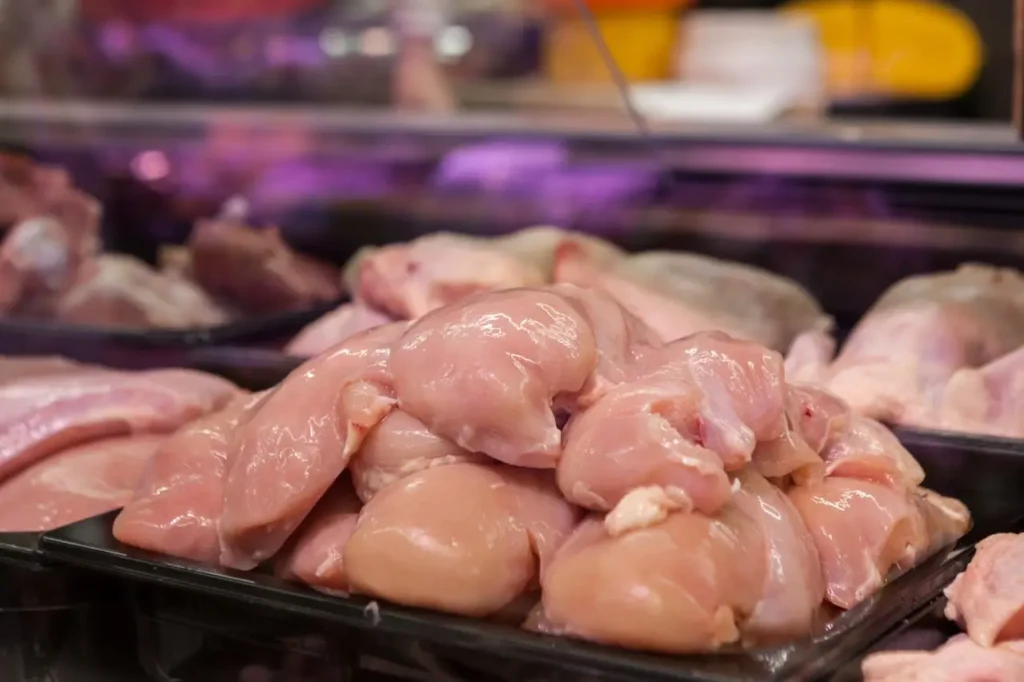
How to Thaw Chicken Safely (3 Fast Methods)
You open the freezer, a cloud of cold fog rolls out, and there it is: a solid, frosty brick of chicken that was supposed to be dinner. I’ve stood in that exact spot more times than I’d like to admit. Knowing how to thaw chicken the right way is what keeps that moment from turning into takeout (or worse, a risky shortcut on the counter).
Here’s the quick version. You have three safe options, and the one you pick depends on your clock. Got a day or two? Use the refrigerator. Got about an hour? Use cold water. Got only minutes? Use the microwave, but only if the chicken goes straight into a pan or oven afterward.
Below, I’ll walk through all three, plus the part most guides skip: why the microwave thaws unevenly and what to look for while it runs. If you want to thaw frozen chicken and defrost chicken safely without guessing, this is the whole plan.
Why Knowing How to Thaw Chicken Matters
How you thaw chicken decides whether dinner is juicy and safe or a food safety gamble. Chicken thawed carelessly ends up with warm, slick outer layers and a frozen middle, and then it cooks unevenly in the pan. Thawed with the wrong method, it can turn rubbery at the edges before you’ve even turned on the stove. The fix costs you nothing but a little planning.
How to Thaw Chicken Safely: The 3 Methods That Work
The only three safe ways to thaw chicken are in the refrigerator, in cold water, or in the microwave, and microwave-thawed chicken has to be cooked immediately. Everything else is out. That means no counter, no warm water, and no garage, car, dishwasher, or plastic garbage bag (that list is longer than you’d think).
Here’s how I choose, purely by the clock:
- Refrigerator: slowest and most forgiving. Plan on 1 to 2 days or longer.
- Cold water: fast but hands-on. A 1-pound package of boneless chicken breasts can thaw in an hour or less.
- Microwave: the last resort when dinner is minutes away. The chicken goes straight into the pan or oven when it’s done.
The refrigerator wins because it holds chicken at 40°F or below the whole time it thaws. Cold water and the microwave are speed trades, and each comes with a handling rule you can’t skip. Those rules are the real difference between the methods, so that’s where I’ll spend the rest of this post.
How Long Does It Take to Thaw Chicken in the Refrigerator?
Boneless chicken breasts, bone-in parts, and whole chickens all take 1 to 2 days or longer to thaw in the refrigerator, so how long to thaw chicken this way mostly comes down to size. Cold works its way in from the outside, which means thicker, heavier pieces take longer to reach the center. (This is why a whole bird gets the full runway from me, every time.)
Keep your refrigerator at 40°F or below, and set the chicken on a rimmed plate or in a pan on the lowest shelf. Raw juices drip as the ice melts, and you want them landing on a plate, not on the lettuce below. To check progress, press the thickest part through the packaging. It should feel soft and bend a little, with no hard, icy core.
What I do now is move chicken from the freezer to the refrigerator the day before I even decide on a recipe. It sounds small, but it takes the pressure out of dinner and means I’m never tempted by a shortcut at the last minute (my toddler does not care about my schedule, lol).
Once the chicken is thawed, plan to use it within 1 to 2 days.
Can You Refreeze Chicken Thawed in the Refrigerator?
Yes, chicken thawed in the refrigerator can be refrozen before or after cooking. That’s the biggest perk of the slow method. Cold-water and microwave thawing don’t give you that option, which I’ll cover in the FAQ below.
How Do You Thaw Chicken Quickly in Cold Water?
To thaw chicken quickly, seal it in a leakproof bag, submerge it in cold tap water, and change the water every 30 minutes. A 1-pound package of boneless chicken breasts can thaw in an hour or less this way. A whole 3- to 4-pound broiler-fryer or a package of chicken parts takes 2 to 3 hours. One extension source specifies water below 70°F, so cold tap water is the target, never warm. (Hot water feels like it should be faster, but it just warms the outside of the chicken while the center stays frozen.)
- Check the bag. Use the original packaging only if it’s fully sealed and intact. Otherwise, move the chicken to a leakproof bag, because a leak lets water in and raw juices out.
- Fill a large bowl or clean sink with cold tap water.
- Submerge the bag. Bags like to float, so set a plate on top to keep the chicken fully under.
- Change the water every 30 minutes. The water warms up as it melts the ice off the chicken. You’ll feel the chicken go from a solid block to something that bends, and the fresh water should feel properly cold on your hand.
- Cook it right after it thaws. It goes straight to the pan, oven, or grill, not back into the refrigerator for tomorrow.
Quick Fix: Need dinner tonight and have an hour or more? Seal the chicken in a leakproof bag, submerge it in cold tap water, and set a 30-minute timer so you remember to swap the water.
Cold-water thawing warms the outside faster than the refrigerator does, so I treat the end of the thaw as the start of the clock. That’s also why this chicken gets cooked before it’s ever refrozen. The timer is the whole trick here 🙂
Can You Thaw Chicken in the Microwave Without Cooking It?
Yes, but only if you stop partway, rotate and separate the pieces, and cook the chicken immediately afterward. Here’s the part most guides skip: a microwave does not thaw chicken evenly. Outer portions can start to cook while the center is still frozen, which is exactly why the USDA tells you to rotate, turn, and separate the pieces during defrosting.
Think of a frozen burrito you’ve reheated: scorching at the edges and icy in the middle. Chicken does the same thing, except the hot edges are partly cooked poultry sitting warm while the center catches up. The “defrost” button feels hands-off, but it isn’t.
So use your microwave’s defrost setting, and check the chicken partway through. You’re looking at the edges. If they look opaque and firm, or start to look cooked while the center is still icy, it’s time to step in.
What If the Edges Start to Cook?
Stop, separate or turn the pieces, and keep going only if the chicken is headed straight into the pan. Partly cooked edges aren’t a ruined dinner. They’re a signal to move fast. Cook it immediately, not “in a bit” after you chop the vegetables, and check doneness against the safe minimum cooking temperature charts rather than eyeballing it, since the pieces thawed unevenly and will cook unevenly too.
Microwave-thawed chicken goes into the pan, not back into the refrigerator for later.
What Happens If You Thaw Chicken on the Counter?
Thawing chicken on the counter is unsafe because the outer portions can warm into the temperature range where bacteria multiply more rapidly while the center is still frozen. You can usually spot the setup: the surface turns slick and soft while the middle is still a block. A cool kitchen doesn’t fix this, and USDA is clear that you should NEVER thaw chicken on the counter.
If you forgot to plan, you’re not stuck. Cold water is about an hour away for boneless breasts, and the microwave is minutes away if you cook right after. (Honestly, either one beats the counter every time.)
You Might Also Like :
How to Read a Recipe Before You Start
The Complete Guide to Resting Meat and Carryover Cooking
Frequently Asked Questions
How do you thaw chicken quickly and safely?
Use cold water. Seal the chicken in a leakproof bag, submerge it in cold tap water, and change the water every 30 minutes so it stays cold. A 1-pound package of boneless breasts can thaw in an hour or less. Cook it right after it thaws.
Can you refreeze chicken after thawing it?
It depends on how you thawed it. Chicken thawed in the refrigerator can be refrozen before or after cooking. Chicken thawed in cold water or the microwave has to be cooked before it goes back in the freezer.
Is it safe to thaw chicken on the counter?
No. The outside warms into the range where bacteria multiply more rapidly while the inside is still frozen. A cool kitchen doesn’t change that. Use the refrigerator, cold water, or the microwave instead.
How long does it take to thaw a whole chicken in the refrigerator?
Plan on 1 to 2 days or longer. A whole bird is bigger and denser than boneless breasts, so the cold needs more time to reach the center. Start early, and once it’s thawed, use it within 1 to 2 days.
What happens if chicken starts cooking while defrosting in the microwave?
Partial cooking at the edges is a known side effect of uneven microwave heating. Stop, then rotate, turn, or separate the pieces so the icy center can catch up. Cook the chicken immediately, and don’t put it back in the refrigerator for later.
Once you start thawing one step ahead, dinner stops feeling like a scramble. Which method do you end up using most, the refrigerator, the cold-water bath, or the microwave? Tell me in the comments, and I’ll point you to the right next post.
Did you love this recipe?
Share it with your friends & family!


Leave a Comment